The Impact of Lighting on Your Living Space
When decorating a living room, most people focus heavily on furniture, wall colors, and artwork. However, one of the most crucial elements of interior design is often an afterthought: the lighting. Lighting has the profound ability to dictate the mood, functionality, and perceived size of a room. Traditional, static lighting forces you to compromise; a room is either brightly lit for reading or dimly lit for watching television, with little middle ground. This is where the magic of smart lighting comes into play.
Upgrading to smart lighting allows you to completely transform your living room’s atmosphere with a simple voice command or a tap on your smartphone. It is no longer just about turning lights on and off; it is about painting your room with light, creating dynamic scenes that adapt to your activities, and enhancing your daily routines. Whether you are hosting a lively dinner party, settling in for a tense movie night, or unwinding with a good book, smart lighting ensures your environment perfectly matches your needs. In this guide, we will explore some of the most creative and effective smart lighting ideas to elevate your living room from ordinary to extraordinary.
Setting the Scene with Smart Bulbs
The easiest and most common way to introduce smart lighting into your living room is by replacing your standard light bulbs with smart LED bulbs. Brands like Philips Hue, LIFX, and Sengled offer a wide variety of bulbs that fit into your existing lamps and ceiling fixtures. When choosing smart bulbs, you generally have two options: tunable white bulbs or full-color bulbs.
Tunable white bulbs allow you to adjust the color temperature of the light. You can set them to a cool, crisp, bluish-white (mimicking daylight) when you are cleaning the room or need to concentrate on a task. Later in the evening, you can transition them to a warm, soft, yellowish glow to help your body relax and prepare for sleep. This subtle shift can significantly impact your circadian rhythm and overall well-being.
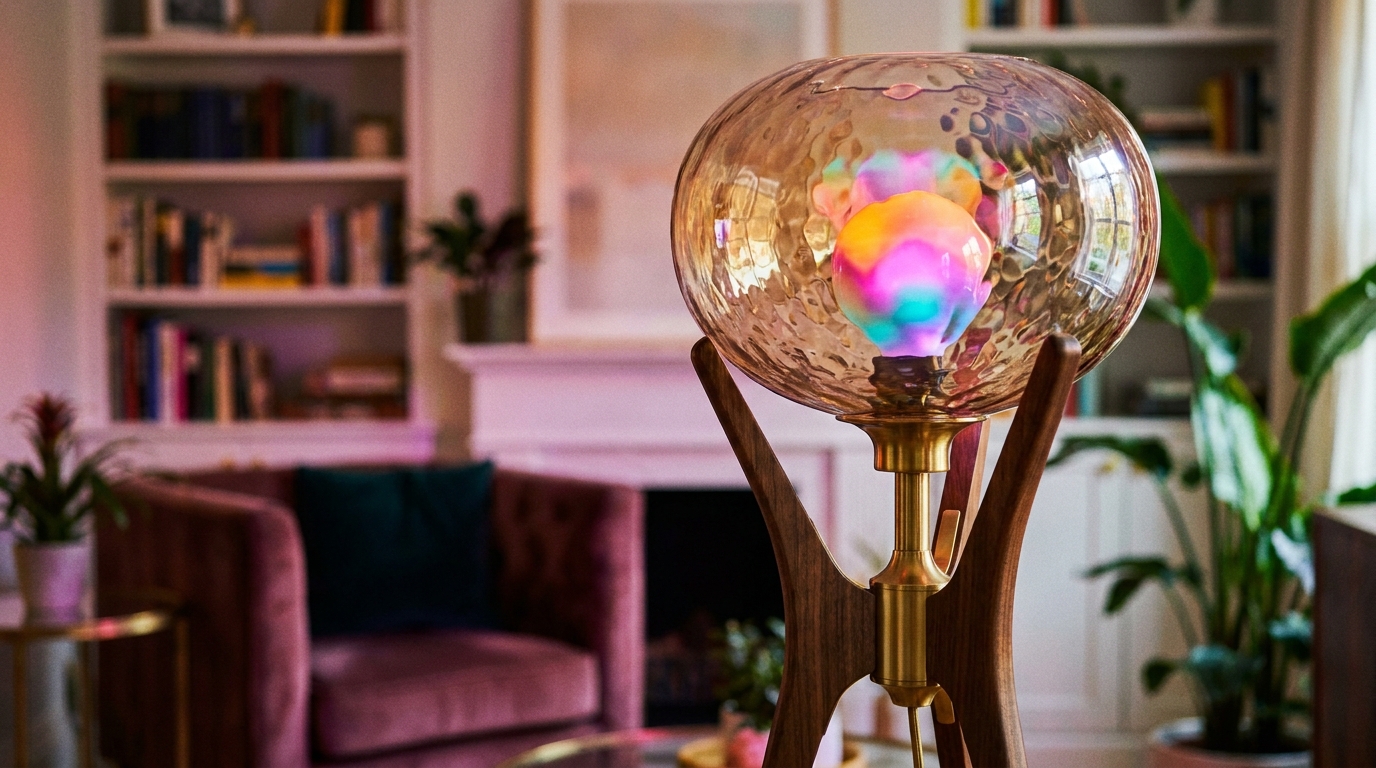
Full-color smart bulbs, on the other hand, unlock a world of creative possibilities. While they can still produce the full spectrum of white light, they can also display millions of different colors. You can use color bulbs to wash a blank wall in a calming blue, set a festive red and green tone for the holidays, or create a romantic, low-light ambiance with deep purples and oranges. By grouping several of these bulbs together in your smart home app, you can create saved “scenes” that adjust multiple lights to specific colors and brightness levels simultaneously.
Enhancing Entertainment with Bias Lighting
If your living room doubles as your home theater or gaming hub, bias lighting is an absolute game-changer. Bias lighting involves placing a light source behind your television or monitor, casting a soft glow against the wall. This might sound counterintuitive—wouldn’t extra light in the room cause glare? Surprisingly, the opposite is true.
When you watch a bright screen in a completely dark room, your eyes have to constantly adjust between the bright display and the dark surroundings, leading to eye strain and fatigue. Bias lighting provides a gentle baseline of light that reduces this contrast, making viewing much more comfortable for extended periods. Furthermore, it improves the perceived contrast of your TV, making the blacks look deeper and the colors appear more vibrant.
Smart LED light strips are the perfect tool for bias lighting. Products like the Philips Hue Play Gradient Lightstrip or the Govee TV LED Backlights can be easily adhered to the back of your television. The best part? Many of these smart strips can sync directly with the content on your screen. Using a sync box or a camera mounted on the TV, the light strip analyzes the colors on the edges of the screen and extends those colors onto the wall behind it. This creates a deeply immersive viewing experience, making explosions feel larger and underwater scenes feel truly expansive.
Architectural Accents with LED Strips
Beyond the television, smart LED strips are incredibly versatile tools for highlighting the architectural features of your living room. Because they are flexible, low-profile, and have an adhesive backing, they can be installed in places where traditional bulbs simply cannot fit. This allows you to add layers of indirect lighting that give your room a sophisticated, high-end look.
One popular technique is installing LED strips underneath floating shelves or along the top edge of a bookcase. This “cove lighting” effect draws the eye upward, making the ceiling feel higher, while providing a soft, diffused glow that beautifully highlights your books, plants, or display items. You can also run strips underneath your sofa or media console. This creates a futuristic “floating” effect for your furniture and provides excellent, non-intrusive path lighting if you need to get up in the middle of a movie.
When using LED strips for architectural accents, remember that the goal is usually to see the light, not the actual strip of LEDs. Try to position them in channels, behind lips, or facing the wall to ensure the light diffuses softly and evenly without harsh hotspots.
Smart Switches for Seamless Control
While smart bulbs are fantastic for lamps and accent lighting, outfitting an entire living room ceiling with smart bulbs can quickly become expensive. Moreover, if someone physically flips the wall switch off, the smart bulbs lose power and disconnect from your network, rendering your app and voice controls useless. The solution to this common frustration is installing smart light switches or dimmers.
Smart switches, like those from Lutron Caséta or Leviton, replace your existing wall switches. They control the flow of electricity to your standard, “dumb” ceiling lights, instantly making them smart. The beauty of a smart switch is that it works exactly like a normal switch for guests or family members who prefer physical controls, but it always remains connected to your Wi-Fi network. This means you can still use your app or voice assistant to turn the lights on, off, or dim them, regardless of the physical switch’s position.
Integrating smart switches into your living room allows for powerful automations. You can set your ceiling lights to slowly dim over the course of an hour as bedtime approaches, or schedule them to turn on automatically at sunset so you never come home to a dark house.
Conclusion
Transforming your living room with smart lighting is one of the most rewarding home improvement projects you can undertake. It requires minimal technical skill but yields maximum impact. By combining tunable smart bulbs in your lamps, immersive bias lighting behind your television, creative LED strip accents, and reliable smart switches for your main fixtures, you can build a dynamic, multi-layered lighting setup. Take the time to experiment with different scenes, colors, and automations. Soon, you will discover that with smart lighting, your living room is not just a place to sit—it is a space that adapts and reacts to enhance every moment of your life.